

Smart Strategies for Safely Storing Pool Chemicals to Protect Your Family and Pets
- JJ
- Jan 23
- 3 min read

Keeping your swimming pool clean and safe requires the right chemicals. But storing these chemicals incorrectly can cause serious risks to your family, pets, and your pool’s health. This guide explains how to store pool chemicals like acid, shock, and floc safely and effectively. It also covers how freezing temperatures affect these chemicals and offers tips on reading storage labels. If you want to avoid the hassle and risks, consider a professional weekly pool maintenance service in Huntsville, Athens, or Madison to keep your pool in top shape.
The Dangers of Improper Storage of Pool Chemicals
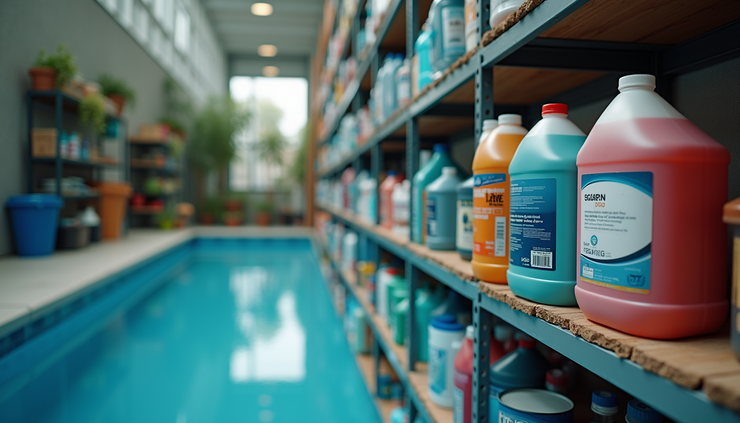
Pool chemicals such as muriatic acid, chlorine shock, and flocculants are powerful substances. When stored incorrectly, they can cause accidents, injuries, or damage to your home.
Chemical Reactions and Fires
Mixing incompatible chemicals or storing them near heat sources can cause dangerous reactions. For example, chlorine shock can release toxic gases if it comes into contact with acids. The Centers for Disease Control and Prevention (CDC) reports that thousands of chemical exposure incidents happen annually in the U.S., many involving household chemicals like pool products. These exposures can lead to burns, respiratory problems, or poisoning.
Health Risks to Family and Pets
The American Society for the Prevention of Cruelty to Animals (ASPCA) warns that pets are at risk if they ingest or come into contact with pool chemicals. Symptoms can include vomiting, drooling, difficulty breathing, or even death. Children are also vulnerable to accidental poisoning if chemicals are left within reach.
Environmental Damage
Spills or leaks can harm your yard and local water sources. Chemicals like acid can kill plants and contaminate soil.
Because of these risks, it’s critical to store pool chemicals safely and out of reach of children and pets.
How Freezing Temperatures Affect Pool Chemicals
Many pool chemicals lose their effectiveness if exposed to freezing temperatures during winter. This is especially important in places like Huntsville, Athens, and Madison, where cold snaps can happen.
Chlorine Shock
Liquid chlorine can separate or become cloudy when frozen, reducing its ability to sanitize your pool water.
Muriatic Acid
While acid itself doesn’t freeze easily, extreme cold can cause containers to crack or leak, leading to dangerous spills.
Flocculants
These chemicals can clump or settle when frozen, making them less effective when used in spring.
Storing chemicals in a place that stays above 50°F (10°C) helps keep them stable and ready for use. Avoid garages or sheds that are not insulated or heated during winter.
Best Practices for Indoor Storage to Protect Pets and Family
Indoor storage is the safest option for pool chemicals. Here are some tips to keep your home safe:
Choose a Cool, Dry, and Well-Ventilated Area
Avoid places with high humidity or direct sunlight. A basement or utility room with good airflow works well.
Use Locked Cabinets or High Shelves
Keep chemicals out of reach of children and pets. Lockable storage is best if you have curious little ones or animals.
Store Chemicals Separately
Never store acids near chlorine products. Keep each chemical in its original container with the label intact.
Avoid Storing Near Food or Drink
This prevents accidental contamination.
Check Containers Regularly
Look for leaks, cracks, or damaged labels. Replace containers if needed.
Have Safety Equipment Nearby
Keep gloves, goggles, and a first aid kit close to the storage area.
Tips on Reading and Understanding Storage Labels
Pool chemical labels contain important safety and storage information. Here’s how to read them:
Look for Hazard Symbols
These icons warn about flammability, corrosiveness, or toxicity.
Follow Storage Temperature Guidelines
Labels often specify minimum and maximum temperatures.
Check for Mixing Warnings
Some chemicals must never be mixed or stored near others.
Read First Aid Instructions
Know what to do in case of accidental exposure.
Note Expiration Dates
Expired chemicals may not work properly or could be unsafe.
Taking time to understand these labels helps prevent accidents and keeps your pool chemicals effective.

Why Using a Weekly Pool Maintenance Service Makes Sense
Managing pool chemicals safely can be challenging. A weekly pool maintenance service in Huntsville, Athens, or Madison can take this burden off your shoulders. Professionals handle:
Routine cleaning
Water chemistry balancing
Equipment checks
This service ensures your swimming pool and spa stay clean, safe, and ready to use without the risks of improper chemical storage or handling.
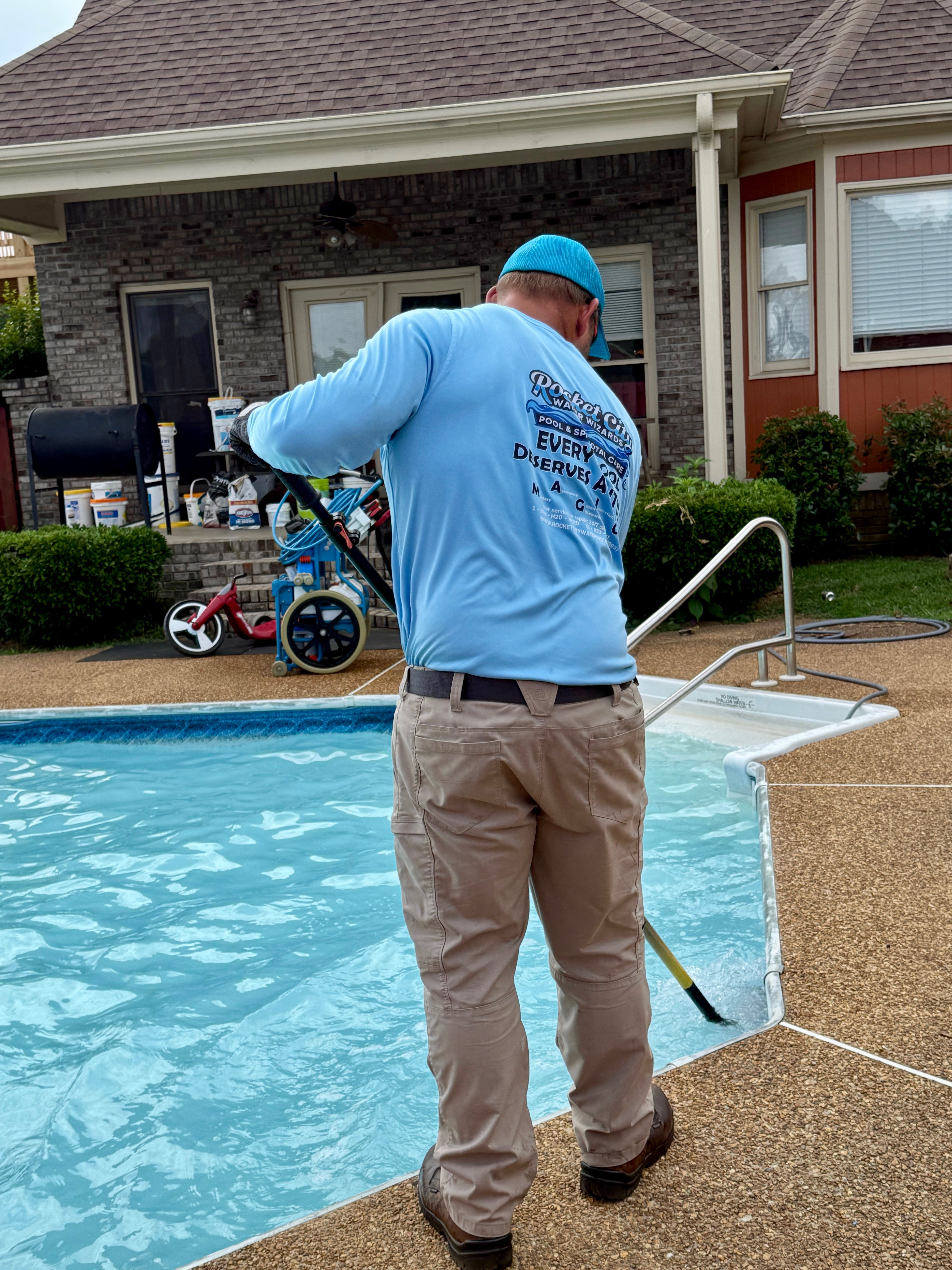
For example, Rocket City Water Wizards offers a Weekly Pool Maintenance program that keeps your pool in optimal condition year-round. Their team uses expert knowledge to store and apply chemicals safely, protecting your family and pets.


Comments