

Enhance Your Pool Experience with AOP Technology and Salt Cell Systems for Crystal Clear Water
- JJ
- Feb 2
- 3 min read
Swimming pools offer a refreshing escape, but maintaining clean, clear, and safe water can be a challenge. Traditional chlorine tablets often lead to problems like high cyanuric acid (CYA) levels, stinging eyes, and skin irritation. Fortunately, advanced technologies like Advanced Oxidation Process (AOP) combined with salt cell systems provide a modern solution that transforms pool water quality. This post explores how AOP technology enhances your pool experience, the benefits of pairing it with salt systems, and why it’s time to move beyond traditional chlorine tabs.

What is AOP Technology and How Does It Work?
AOP stands for Advanced Oxidation Process. It uses a combination of ultraviolet (UV) light and oxidizing agents like ozone or hydrogen peroxide to break down contaminants in pool water. This process destroys bacteria, viruses, and organic matter more effectively than chlorine alone.
Unlike traditional chlorine tablets, which rely on chemical reactions that can leave behind residues, AOP targets pollutants at a molecular level. This results in cleaner, clearer water with fewer chemical byproducts.
The Problem with High CYA Levels from Chlorine Tablets
Many pool owners use stabilized chlorine tablets to keep their water sanitized. These tablets contain cyanuric acid (CYA), which protects chlorine from breaking down too quickly in sunlight. However, over time, CYA levels can build up, sometimes exceeding 100 parts per million (ppm).
High CYA levels cause several issues:
Reduced chlorine effectiveness, making it harder to kill bacteria
Cloudy water and algae growth
Increased risk of eye irritation and skin discomfort
AOP technology helps eliminate the need for stabilized chlorine tabs, preventing CYA buildup and maintaining optimal water chemistry.
How AOP Prevents Stinging Eyes and Redness
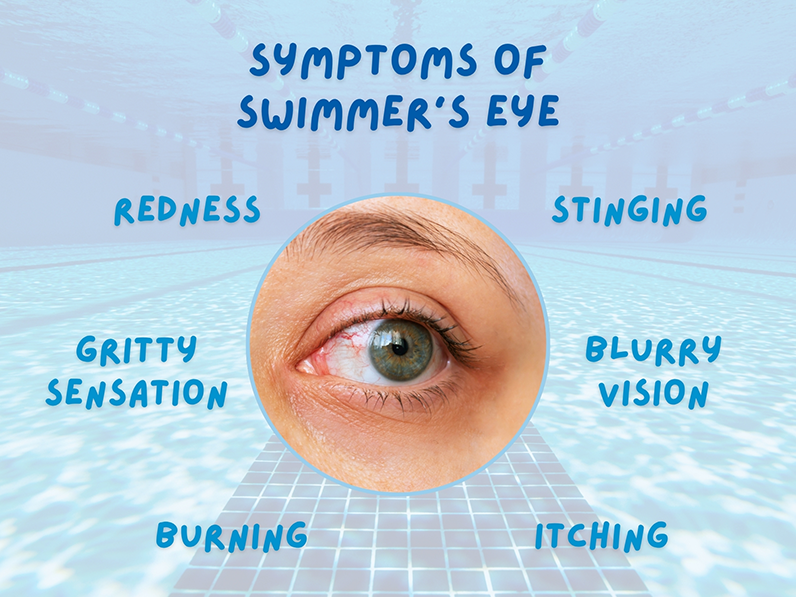
One of the most common complaints from swimmers is stinging eyes and red skin after pool use. This irritation often comes from chloramines—compounds formed when chlorine reacts with sweat, oils, and urine.
AOP systems break down chloramines quickly, reducing their concentration in the water. The result is a more pleasant swimming experience with:
No burning or itching eyes
Softer, less irritated skin
A fresher-smelling pool environment
This makes AOP especially beneficial for families with children or anyone with sensitive skin.
Safety for Children with Sensitive Skin
Children’s skin is more delicate and prone to irritation from harsh pool chemicals. Traditional chlorine treatments can cause dryness, rashes, or allergic reactions.
By combining AOP with salt cell systems, pool water becomes gentler and safer for kids. The natural oxidation process reduces chemical residues, while salt systems generate chlorine at lower, more stable levels. This balance supports worry-free fun for the whole family.
How Salt Cell Systems Work with AOP for Drinking Water Quality
Salt cell systems use electrolysis to convert salt dissolved in pool water into chlorine. This method produces a steady, controlled amount of chlorine without the need for harsh chemicals or tablets.

When paired with AOP technology, the benefits multiply:
Drinking water quality: The water is free from harmful contaminants and chemical residues, matching the purity standards of tap water.
Improved clarity: AOP breaks down organic matter and chloramines, while salt cells maintain consistent sanitation, resulting in sparkling clear water.
Softer skin and hair: Salt water is naturally moisturizing, and the reduced chemical load prevents dryness and irritation.
Together, these systems create a pool environment that feels clean, natural, and inviting.
Why You Should Ditch Traditional Chlorine Tablets
Traditional chlorine tablets may seem convenient, but they come with hidden costs:
CYA buildup that harms water quality
Strong chemical odors and eye irritation
Harsh effects on skin and hair
Switching to AOP and salt cell systems offers a modern, effective alternative. You get better water quality, fewer chemical issues, and a more enjoyable swimming experience.
Practical Tips for Transitioning to AOP and Salt Systems
If you’re ready to upgrade your pool, here are some steps to consider:
Test your current water chemistry: Check CYA levels and chlorine concentration.
Consult a pool professional: They can recommend the right AOP and salt system for your pool size and usage.
Gradually reduce chlorine tablets: As your new system takes over sanitation duties, phase out stabilized tabs to avoid CYA buildup.
Maintain your equipment: Regular cleaning of salt cells and UV lamps ensures optimal performance.
Monitor water balance: Keep pH and alkalinity in check for the best results.
Real-Life Benefits from Pool Owners
Many pool owners report noticeable improvements after switching to AOP and salt systems:
Clearer water that stays clean longer
No more red eyes or itchy skin after swimming
Reduced chemical smell and better overall pool comfort
Easier maintenance with less frequent chemical adjustments
These benefits make the investment worthwhile for anyone serious about pool quality.


Comments